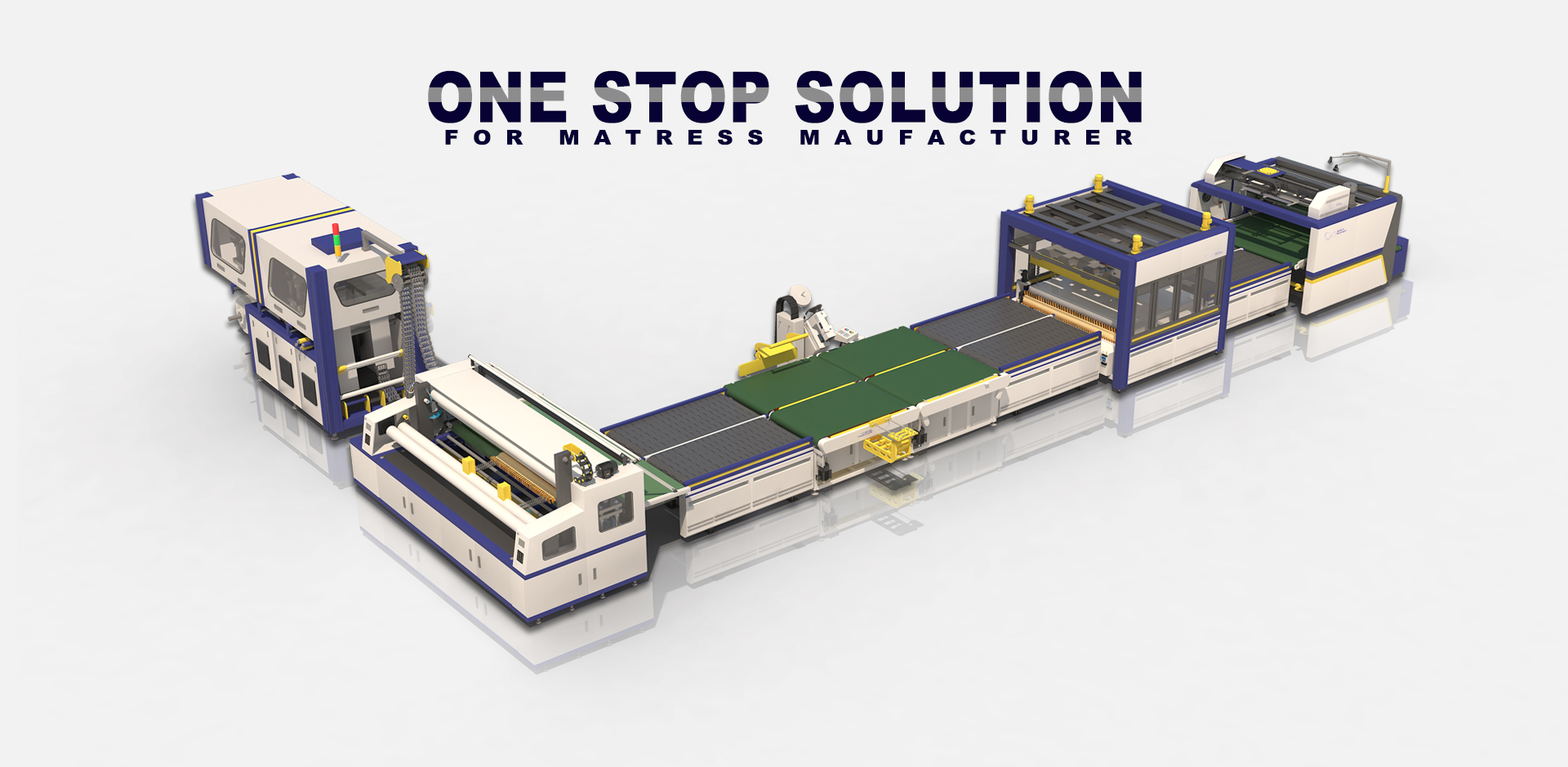
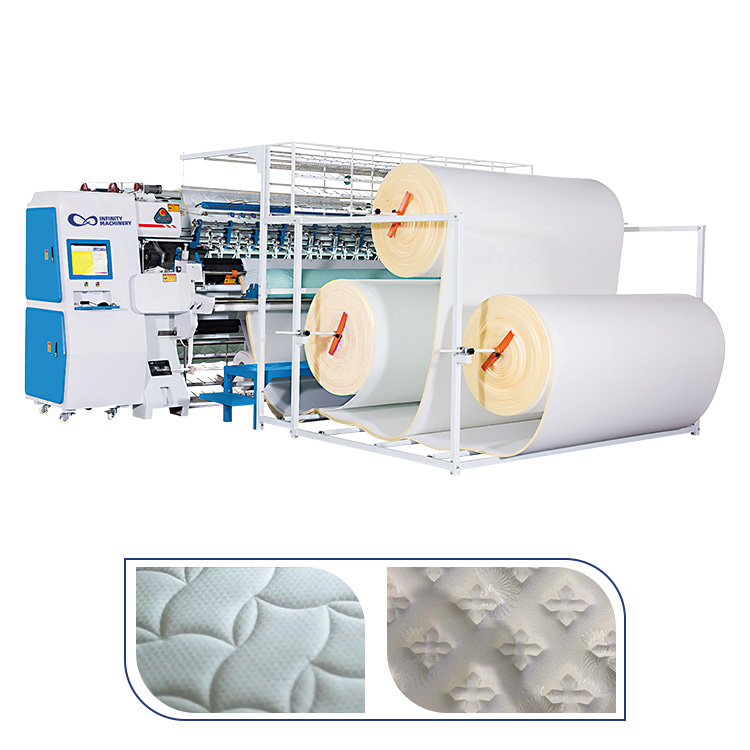
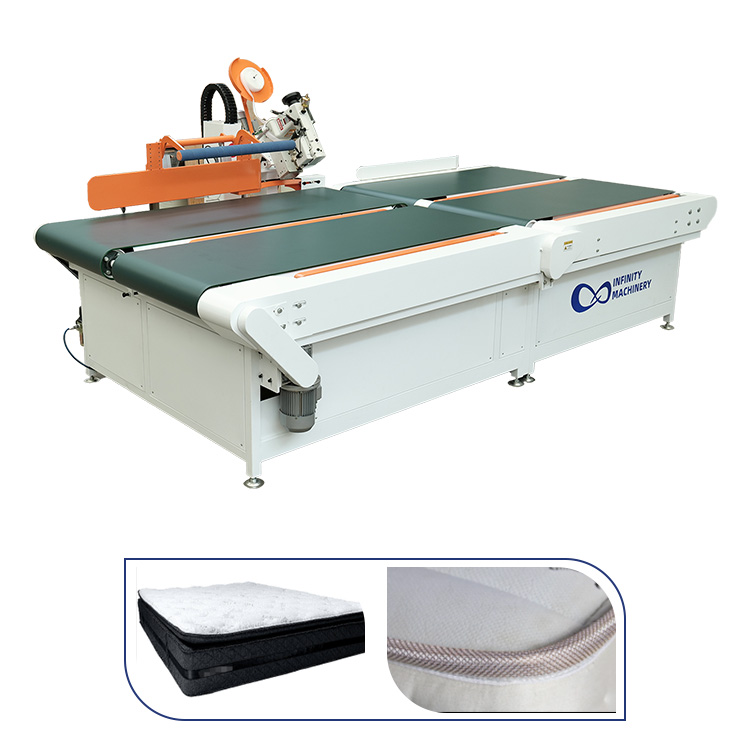
The CE technical file is the complete documentation package that proves the mattress machine meets the safety requirements of the Machinery Directive, and the export factory builds it item by item before the machine leaves the workshop. The file holds the declaration of conformity, the design drawings and the calculations, the risk assessment with the safety measures, the user manual, the wiring and the pneumatic diagrams, the certificates of the bought-in components and the test reports, and the file must stay complete and current for the life of the machine. The buyer in the European market asks for the file, the notified body reviews it for the certain machine categories, and the importer keeps it on the record. The IF-APL Mattress Automatic Production Line, the IF-Q-1200 Computerized Chain Stitch Multi-Functional Quilting Machine and the IF-T4 Automatic High Speed Mattress Tape Edge Machine are the mattress machines whose technical files the export factory prepares for the CE marking.
The CE technical file is the documentation package that backs the CE marking of the mattress machine, and the checklist matters because the file is the evidence that the declaration of conformity is true. The definition is the first part: the technical file is the compilation of the design, the safety, the operating and the conformity documents that the manufacturer keeps and updates for the machine model, and the file is the proof behind the CE marking that the machine carries. The purpose is the second part: the market authority and the buyer can ask for the file at any time, and the manufacturer must present the file within the reasonable time, so the file that is complete on the day the machine ships is the file that passes the request. The content basis is the third part: the Machinery Directive 2006/42/EC lists the minimum contents of the technical file, and the list covers the general description, the drawings, the calculations, the test results, the standards applied, the manuals and the declaration, so the checklist is the directive list made practical. The update rule is the fourth part: the file is updated when the machine design changes, when a new safety requirement applies or when the component supplier changes the part, and the file that is not updated becomes the false evidence. The retention rule is the fifth part: the file is kept for the years after the last unit of the series is produced, so the factory can answer the authority questions for the machines that are still in service. The file rule: the CE technical file is the evidence package behind the CE marking, and the factory that builds the file item by item against the directive list ships the machine with the proof already in hand.
The design documentation is the first section of the technical file, and it proves that the machine is built to the safe design. The general arrangement drawing is the first item: the drawing shows the machine with the main dimensions, the guards, the control panels and the operator positions, and the drawing is the map that the rest of the file references. The assembly drawings are the second item: the sub-assembly drawings show the frame, the drive, the worktable and the guarding with the part numbers, and the assembly drawings let the inspector verify the guards and the interlocks that the risk assessment names. The electrical diagrams are the third item: the wiring diagram, the circuit diagram and the control panel layout show the power circuit, the emergency stop circuit, the motor protection and the PLC wiring, and the electrical documentation must match the machine as built. The pneumatic and the hydraulic diagrams are the fourth item: the mattress machine uses the cylinders, the valves and the air preparation units, and the diagrams show the pressure, the flow and the safety circuits that the maintenance team works on. The calculations are the fifth item: the strength calculations for the frame, the load calculations for the worktable, the torque and the speed calculations for the drive and the guard interlock force calculations support the safety claims, and the calculations with the assumptions are filed with the drawings. The design rule: the drawings, the diagrams and the calculations together describe the machine as built, and the file that matches the physical machine is the file that survives the inspection.
The risk assessment is the heart of the CE technical file, and it documents the hazards of the mattress machine and the measures that reduce the risk. The hazard identification is the first item: the assessment walks the machine life cycle from the installation to the maintenance and lists the hazards, the mechanical ones from the moving parts and the springs, the electrical ones from the live circuits, the thermal ones from the glue and the heating elements, the noise from the drives and the ergonomic ones from the material handling. The risk estimation is the second item: each hazard is rated for the severity and the probability of the harm, and the rating decides which hazards need the extra measures and which are acceptable by the design. The risk reduction is the third item: the measures are applied in the hierarchy, the inherently safe design first, then the guarding and the protective devices, then the warnings and the instructions, and the assessment records which measure reduces which hazard. The residual risk is the fourth item: the risk that remains after the measures is listed with the warning and the instruction that manages it, and the residual risk list feeds the manual and the machine marking. The validation is the fifth item: the assessment is reviewed against the completed machine, the guards are checked in place, the interlocks are tested and the residual risks are confirmed, and the signed and dated validation closes the assessment. The risk rule: the hazard list, the rating, the reduction hierarchy, the residual risks and the validation together prove the safety case, and the file without the risk assessment is the file that the authority rejects first.
The user manual is the operating documentation of the CE technical file, and it is the document that the operator and the maintenance team use every day. The manual structure is the first item: the manual covers the intended use, the transport and the installation, the commissioning, the operation, the maintenance, the fault finding and the decommissioning, and the structure follows the machine life. The intended use statement is the second item: the manual states the mattress sizes, the materials, the production limits and the prohibited uses, and the clear intended use statement protects the manufacturer when the machine is used outside the design. The safety instructions are the third item: the manual repeats the residual risks with the warnings, the operator qualification, the PPE and the prohibited actions, and the instructions are written for the reader who operates the machine without the engineering background. The maintenance documentation is the fourth item: the maintenance schedule, the lubrication points, the spare parts list and the inspection intervals keep the machine safe through its life, and the maintenance records are the evidence that the machine stayed in the safe condition. The languages are the fifth item: the manual is written in the official language of the destination country and in the language of the operator, and the export factory prepares the manual in the multiple languages because the machine crosses the borders. The manual rule: the complete manual with the intended use, the safety instructions, the maintenance and the languages is the operating half of the file, and the manual that the operator can follow is the manual that keeps the machine safe in service.
The conformity documents close the CE technical file, and they connect the machine to the legal requirements and the tested evidence. The declaration of conformity is the first item: the declaration names the machine, the directive and the harmonized standards applied, and the declaration is signed by the manufacturer and kept with the file, and the CE marking on the machine is the visible face of this document. The harmonized standards are the second item: the machine applies the machinery standard EN ISO 12100 for the risk assessment, EN 60204-1 for the electrical equipment and the specific machine standards where they exist, and the standards list in the declaration shows the presumption of conformity. The component certificates are the third item: the bought-in components carry their own documents, the motor with the CE declaration, the safety relay with the certificate, the guard switch with the approval, and the file keeps the component certificates that back the machine level claims. The test reports are the fourth item: the electrical tests, the earthing continuity, the guard interlock function tests, the noise measurement and the production tests are recorded with the dates and the results, and the test reports give the evidence that the machine was verified. The file index is the fifth item: the complete file carries the document list with the revision numbers and the dates, so the reviewer finds each document and confirms the file is current, and the index turns the pile of the documents into the file. The conformity rule: the declaration, the standards, the component certificates, the test reports and the index together prove the machine meets the directive, and the factory that keeps the conformity section complete ships the mattress machine with the CE claim fully documented.
Contact our team for the machine documentation support and the IF-APL, IF-Q-1200 and IF-T4 options with the complete technical documentation for your export market.